







Yep, stabiliser helps protect your chlorine from getting burned off by the sun. Without it, you’ll chew through chlorine way faster, especially in summer. Most outdoor pools need it, but don’t overdo it.



You need the right range, and easy process, and service you and your clients can rely on.

You just want that sparkling clean, freshwater feel, plus reliable help when it matters...


Full range of pool equipment

Australian owned and designed

Australia- wide support

45 years in business

No more sore eyes

Easy to use

No itchy skin or chemical smell after swimming

The fastest service response in Australia

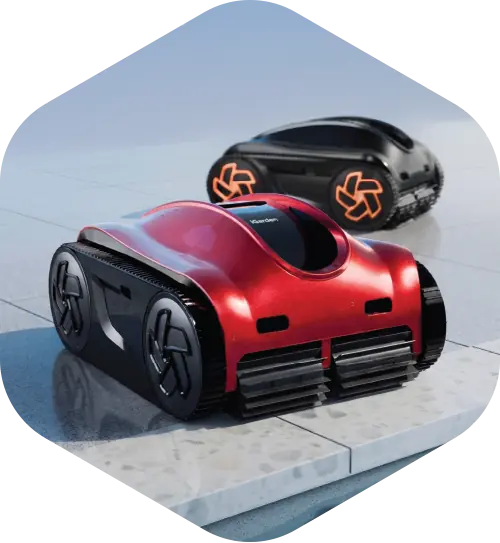


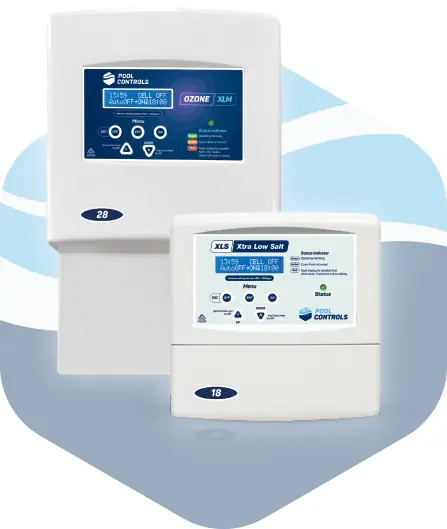
View our complete range of Australian made and designed pool and spa sanitation products.
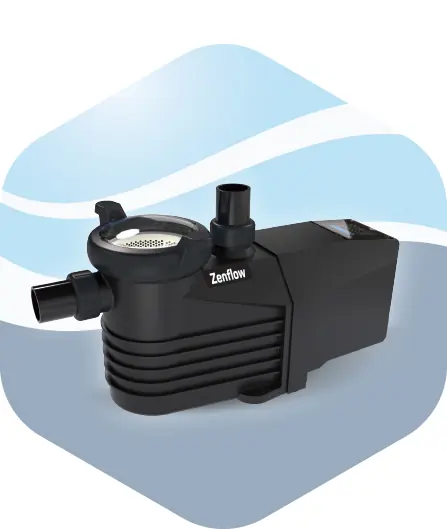
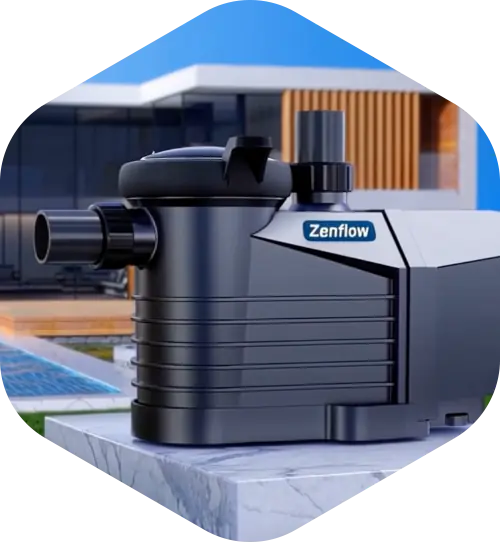
View the Pool Controls Zen Range of pool pumps built for high performance and optimum reliability.
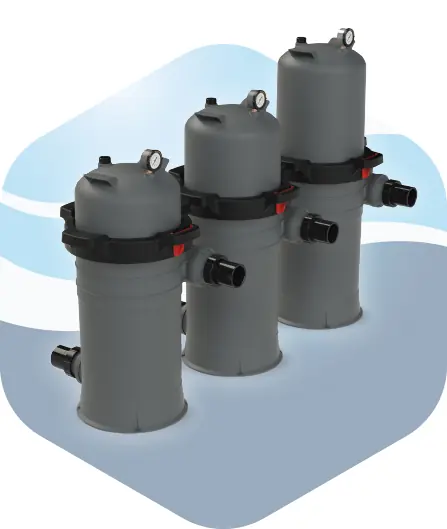
The innovative, high performance Zenclean Pool Controls Range of Pool Filters come with cutting-edge technology that combine efficiency and reliability.

Pool Controls Zen Range of pool heaters built for high performance and optimum reliability, a world-class eco-friendly pool heating solution.

Fantastic service. I emailed the service line and within about 30min I had a detailed text message from a technician named Kriston. He provided plenty of information in the text and offered to come out and inspect. My first contact was Monday, and the repair has been carried out by Thursday of the same week ...... I would not hesitate to recommend him to anyone that has Pool Controls equipment.
I have been dealing with pool controls for many years and their customer service is second to none. Tamara and Kriston help me with technical advice if and when i require it. Their knowledge is unending with any problems. Tom, T&G Pool services.
I am a Brisbane based Pool Builder, Qld Pool Constructions.I have been using Pool Controls chlorinators for over 7 years, best chlorinators you can buy, best range, very reliable.
An Australian owned company, manufacturing in Australia. We enjoy a very healthy relationship with Pool Controls. The company is easy to deal with and provide great support both in the field and administratively.
Tamara is absolutely brilliant. I rang her Monday morning. The next day Kriston came out the chlorinator. Working perfectly now. Every company should have a Tamara and Kiston. Fantastic service. Peter and Danny.
My Salt water chlorination was not dosing. I called the pool controls office and spoke with Tamara who tried troubleshooting over the phone. It ended up being a board replacement. Mike came out to replace, all of a 15 minute job. My warranty expired by about 2 months but he smiled and said it's okay, let me sort it out for you. Great service and very friendly.
Had the best service from these guys from start to finish and fast quick effective service all in one day. Kriston was amazing and followed up making sure everything was in good working order. Excellent service and people willing to help at all times. Highly recommend Kriston and team. Thanks again appreciate it heaps.
Damien from pool controls is the most effective and efficient employee
He has assisted me on numerous occasions with my pool issues. Well done Damien and thanks for your help.
Thank you for the excellent and prompt warranty service I recently received. I spoke with Tamara over the phone and emailed all the requested details. Within just a few hours, Kriston called to let me know he would be in the area the following day. As promised, Kriston arrived on time and quickly resolved the chlorinator cell issue...... The entire experience was very professional and easy from start to finish.
Kriston from Pool Controls WA was fantastic. He helped us troubleshoot our chlorinator quickly and clearly, and his professionalism made the whole process so easy. We’re really grateful for his prompt support and expertise. Highly recommend!






Do I need to add stabiliser?


Yep, stabiliser helps protect your chlorine from getting burned off by the sun. Without it, you’ll chew through chlorine way faster, especially in summer. Most outdoor pools need it, but don’t overdo it.
What does basic pool maintenance involve?
It’s the basics done regularly, testing your water, keeping chemicals balanced, emptying baskets, and giving the pool a clean. A quick once over each week goes a long way. Stay on top of it and you’ll avoid bigger headaches later.
How often should I test my water?
At least once a week is the go, more often if the pool’s getting a workout or after heavy rain. Consistent testing keeps things predictable. It’s a quick job that saves you money and hassle.
What does optimum water balance look like?
You’re aiming for clear water, comfortable swimming, and equipment that lasts. That means pH, alkalinity, and chlorine all sitting in the right range. When it’s balanced, everything just works better.
What are Optimum salt and mineral levels?
For salt pools, levels usually sit around 4000 to 6000 ppm, but check your system specs. Mineral pools have their own sweet spot depending on the blend. Too low or too high and your system won’t run properly.
What does Total Alkalinity, pH and Buffer?
Think of alkalinity as the buffer that keeps your pH steady. pH is what affects comfort and chlorine performance. Get alkalinity right first, then fine tune your pH.
What do I need to know about ORP and chlorine?
ORP measures how effective your chlorine is, not just how much is in the water. Higher ORP means better sanitising power. It’s a smarter way to manage water quality, especially with automated systems.
What's the story with phosphates and niterates?
They’re basically food for algae, and they can build up over time. High levels can make it harder to keep your pool clean. Managing them helps your chlorine do its job properly.
What do I need to know about Total Dissolved Solids (TDS)?
TDS is everything dissolved in your water, salts, minerals, and leftover chemicals. Over time it builds up and can affect water balance and clarity. If it gets too high, a partial water change might be needed.
When should I clean my electrolytic cell and how do I do this?
Check it every few months, or if your system flags it. If there’s scale build up, give it a clean using a mild acid wash as per the manufacturer’s guide. Don’t over clean it, only when needed.
What is Calcium Hardness and the Langelier Saturation Index?
Calcium hardness is about how much calcium is in your water, too low can damage surfaces, too high causes scaling. The LSI is a way of checking if your water is balanced overall. It helps you avoid corrosion or scale build up.
When should I clean my probe and how do I do this?
If your readings seem off or every few months, it’s worth a clean. Gently rinse and use a proper probe cleaner, nothing harsh. Keeping it clean means your system stays accurate.
Talk to an expert and find out more about the best Pool Controls product for your pool and spa and how to customise the best solution for you.
No problem, just fill out the form, and we will be in touch as soon as possible.
Get the right advice first time. Please contact the relevant team member below from your State or Territory.